

Key Takeaways
- Yes, you can swim with nylon watch bands. Nylon bands are durable in water and safe for swimming, snorkeling, and other water activities, thanks to their tightly woven fabric structure that resists water absorption.
- Nylon dries relatively quickly on the surface in 3–4 hours, but moisture absorbed deeper into the fibers can take up to 24 hours to fully evaporate. This means you may experience a damp wrist for several hours after swimming.
- Chlorine from pools and salt from ocean water can cause nylon bands to fade, discolor, or weaken over time with repeated exposure. Always rinse your band thoroughly in fresh water after swimming to extend its lifespan.
- For frequent swimmers or those who want instant drying and zero water retention, silicone bands are a great alternative. Silicone doesn't absorb water, dries immediately, and resists chlorine and salt damage better than fabric materials.
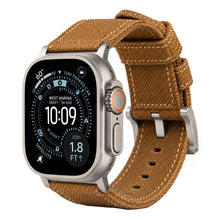
- RobustGoods offers an Elastic Band made from wide-stretch nylon for versatile all-day wear, and a Sport Band made from premium silicone for water-focused activities, giving you the right option for any situation.
Can You Actually Swim with a Nylon Watch Band?
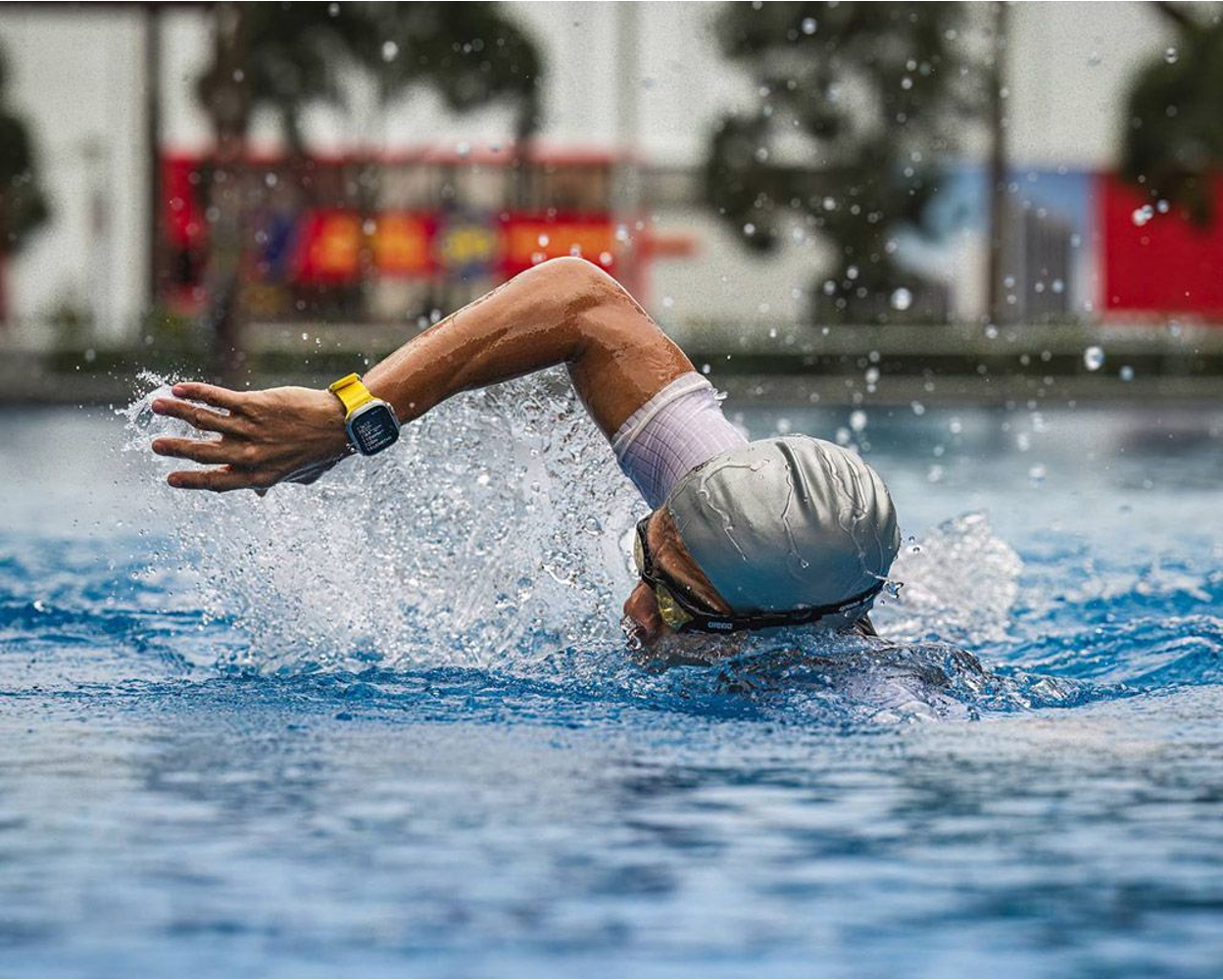
Absolutely. Nylon watch bands are made for durability and remain comfortable even when wet, making them suitable for swimming and other water activities. Many swimmers, divers, and water sports enthusiasts wear nylon bands without problems.
The question comes up because not all watch band materials handle water equally well. Leather cracks and stains, metal can rust or feel heavy when wet, and some fabrics fall apart quickly. Nylon stands out as one of the few materials that actually holds up in the water.
Your Apple Watch itself is water-resistant, so pairing it with a water-friendly band makes sense. Apple Watch Series 2 and newer models support shallow-water activities, including swimming in pools and oceans. The key is choosing a band that matches your watch's capabilities.
|
RobustGoods: Premium Apple Watch Ultra Bands Built to Last 100,000+ Trusted Customers | 4.55★ Rating | 2,000+ Positive Reviews Crafted for the Apple Watch Ultra:
The RobustGoods Difference: ✓ Direct-to-consumer manufacturing (no middlemen markup) Quality You Can Trust: Founded by a Finnish tech enthusiast in 2020, we've built our reputation on durability, style, and functionality. Every band comes with a 60-day guarantee and worldwide shipping. Upgrade your Apple Watch Ultra with accessories as rugged as you are. |

How Nylon Watch Bands Perform in Water
Understanding how nylon behaves in water helps you know what to expect when you swim with it. The tightly woven nature of nylon and its ability to resist water make it well-suited for aquatic activities. The dense weave creates a barrier that prevents water from immediately soaking into your watch.
However, nylon isn't completely waterproof. Nylon is water-resistant but does absorb liquid, though not readily. It's similar to a swimming suit in that it gets wet, dries, and returns to its original state with no damage.
The surface of nylon fabric can dry in 3–4 hours, feeling dry to the touch, but moisture absorbed deeper into the fibers can take up to 24 hours to fully evaporate. This dual-layer absorption means your band might feel mostly dry on the outside while still holding moisture inside.
Exposure to chlorinated or salt water can shorten the strap's lifespan and sometimes cause the fabric to discolor, fade, or even fail with repeated use. The chemicals in pool water and minerals in ocean water gradually break down the fabric over time, especially if you don't rinse properly.
Pros of Swimming with Nylon Watch Bands

Nylon bands offer several advantages for water activities that make them a popular choice among swimmers.
1. Comfortable When Wet
Nylon bands remain comfortable and fitting even when they get wet, so they won't disrupt water activities by becoming uncomfortable. Unlike some materials that become stiff or irritating, nylon stays soft against your skin throughout your swim.
2. Quick Surface Drying
The outer layer of nylon fabric can feel dry to the touch in just 3–4 hours. This relatively fast surface drying means you won't have to deal with a soaking-wet band for long after you finish swimming.
3. Lightweight & Breathable
Nylon bands add minimal weight to your wrist, even when wet. Their woven design allows airflow to keep your skin cool and helps moisture dry quickly, so you stay comfortable all day—in or out of the water.
4. Doesn't Irritate Skin
The soft nylon fabric is gentle on the skin, reducing the risk of chafing or irritation that can occur with some rigid materials. This makes it suitable for people with sensitive skin who still want to track their swims.
Cons of Swimming with Nylon Bands
While nylon performs well in water, it's not perfect. Understanding the drawbacks helps you make an informed decision.
1. Stays Damp Longer Than Silicone
You may experience a wet wrist for a little bit after swimming, as nylon takes time to dry completely. Unlike silicone that sheds water immediately, nylon holds onto moisture for hours. Deep moisture within the fibers can take up to 24 hours to fully evaporate.
2. Can Trap Bacteria if Not Dried Properly
The damp environment created by a wet nylon band can harbor bacteria if you don't allow it to dry thoroughly between uses. This becomes especially important if you swim multiple times per day or wear the band continuously without giving it time to air out.
3. May Develop Odors with Repeated Use
Over time, the combination of moisture, sweat, and skin oils can cause nylon bands to develop unpleasant odors. While regular cleaning helps, nylon is more prone to this issue than non-porous materials like silicone.
4. Color Fading from Chlorine & Salt
Chlorine in swimming pools will cause nylon watch straps to fade—one user's mid-gray band became pale gray after being worn three times a week for six months in chlorinated water. Salt water has a similar effect. If you swim frequently, expect your band's color to lighten gradually.
Best Practices for Swimming with Nylon Bands
Taking care of your nylon band properly extends its life and keeps it comfortable.
Rinse Immediately After Swimming
You should rinse your watch thoroughly in fresh water after swimming to flush away any chlorine, particularly around the band mountings on the case. This single step prevents the most damage to nylon bands. Don't wait—rinse as soon as you exit the pool or ocean.
Proper Drying Techniques
Remove the band from your watch after swimming and allow it to air dry completely in a well-ventilated area. Hang it or lay it flat where air can circulate on all sides. Never put a damp nylon band in a closed container or drawer, as this promotes bacterial growth and odors.
When to Choose Quality Construction
Not all nylon bands withstand water equally well. Cheaper nylon watch bands can start to fray due to the friction of salt particles rubbing against the strap as you swim. The RobustGoods Elastic Band uses high-quality, wide-stretch nylon that resists fraying and maintains its integrity through repeated water exposure, making it a durable choice for swimmers who want versatility.
Silicone: The Better Swimming Alternative
While nylon works for swimming, silicone remains the gold standard for frequent water activities.
Silicone watch bands are waterproof, don't absorb water like fabric or leather, and won't crack or peel over time, making them an excellent choice for swimmers and athletes. The non-porous material sheds water instantly, so you walk away from the pool with a dry band.
Saltwater and chlorine don't significantly harm silicone watch bands, though prolonged contact can cause slight discoloration. Even with regular swimming, silicone bands maintain their appearance and performance far longer than fabric alternatives.
The hypoallergenic properties of quality silicone make it gentle on skin, even during extended wear in wet conditions. It doesn't trap moisture against your wrist the way nylon can, reducing the risk of skin irritation or bacterial growth.
For serious swimmers or anyone who spends significant time in the water, silicone simply performs better. The RobustGoods Sport Band delivers all these benefits with premium silicone construction, secure clasp design, and comfort that lasts through countless laps.

Silicone watch bands shed water instantly and resist saltwater damage, making them the ideal choice for swimmers and anyone who spends time in the water.
Why RobustGoods Bands Work for Active Lifestyles
Whether you prefer the versatility of nylon or the superior water performance of silicone, RobustGoods has you covered.
Elastic Band: All-Day Versatility
The RobustGoods Elastic Band is made from wide-stretch nylon, designed for all-day wear. The elastic construction adapts to your wrist throughout the day, staying comfortable whether you're at the office, hitting the gym, or taking a quick swim. The breathable nylon dries faster than traditional woven bands while maintaining the soft, comfortable feel that makes nylon popular.
This band works perfectly for people with active lifestyles who want one band for everything. You can wear it to work, swim during lunch, and continue wearing it through the evening without discomfort. While it's not specifically engineered for water like silicone, it handles occasional swimming beautifully.
Sport Band: Built for Water
For swimmers and water-sports enthusiasts, the RobustGoods Sport Band, made from premium silicone, is the clear choice. The waterproof construction means you can dive in without a second thought. The material doesn't absorb water, resists chlorine and salt damage, and feels as comfortable wet as it does dry.
The secure pin-and-tuck closure keeps your watch firmly attached during vigorous swimming. Multiple adjustment holes ensure a perfect fit, and the smooth silicone won't snag on clothing as you get dressed after your swim.

Our Sport Band is compatible with Apple Watch Series 1 through 11, the SE series, and Ultra models 1 through 3.
Quality Construction Across the Board
Both bands are manufactured in facilities trusted by premium brands, ensuring consistent quality and durability. By selling directly to you, we eliminate the middleman markups that inflate retail prices. You get the same quality materials and construction found in expensive brands at a fraction of the cost.
Our 60-day money-back guarantee lets you test the bands in real conditions. Swim with them, work out with them, wear them all day. If they don't meet your expectations, we'll make it right. With over 100,000 satisfied customers, we've proven that quality and affordability can coexist.
Shop RobustGoods Collection Today!
Frequently Asked Questions (FAQs)
Can chlorine damage nylon watch bands?
Chlorine in swimming pools can cause nylon watch straps to fade and, with repeated exposure, eventually cause the fabric to fail. However, this happens gradually over months of frequent swimming.
You can minimize damage by rinsing your band immediately after each swim and allowing it to dry completely between uses. For occasional swimmers, chlorine damage isn't a significant concern. Frequent swimmers should designate a specific band for pool use or switch to silicone for better chlorine resistance.
How long does it take for a nylon band to dry?
The surface of a nylon watch band can feel dry to the touch in 3–4 hours, but moisture absorbed deeper into the fibers can take up to 24 hours to fully evaporate. Drying time varies based on humidity levels, air circulation, and how thoroughly you squeezed out excess water.
In humid environments, expect longer drying times. Using a fan or hanging the band in a dry, well-ventilated space speeds up the process.
Should I switch bands for swimming?
If you swim frequently, several times per week or daily, using a dedicated swimming band makes sense. A silicone band like the RobustGoods Sport Band handles repeated water exposure better than nylon, dries instantly, and resists chlorine damage more effectively.
This approach also extends the life of your everyday band by reducing wear from constant water exposure. For occasional swimmers, your regular nylon band works fine as long as you rinse and dry it properly after each swim.
Will my Apple Watch track swimming with a nylon band?
Yes, absolutely. Apple Watch Series 2 and newer models support swimming in pools and open water. The band material doesn't affect the watch's ability to track your swims. The sensors work the same whether you're wearing nylon, silicone, or any other water-safe band.
Just make sure the band fits snugly enough that the watch sensors maintain consistent contact with your skin. A loose band can compromise tracking accuracy regardless of material.
*Note: Pricing and/or product availability mentioned in this post are subject to change. Please check the retailer's website for current pricing and stock information before making a purchase.


Leave a comment
This site is protected by hCaptcha and the hCaptcha Privacy Policy and Terms of Service apply.