


Key Takeaways
- Leather offers tradition, sophistication, and develops a unique patina over time, giving each strap a personalized character.
- Nylon provides modern practicality, durability, and performs well under challenging conditions, including moisture and physical stress.
- Leather molds to the wrist and provides breathability, making it comfortable for moderate environments, while nylon is lightweight, flexible, quick-drying, and ideal for active or high-motion use.
- Leather excels in formal and professional settings with a classic aesthetic, whereas nylon suits casual, sporty, and outdoor contexts with versatile style options.
- RobustGoods combines the best of both worlds, offering high-quality leather and nylon straps with durable construction, thoughtful design, and lasting performance, trusted by thousands of customers.
Leather vs Nylon Watch Straps: What Really Matters
Choosing between leather and nylon for your watch strap goes beyond aesthetics; it’s about matching your strap to your lifestyle. After years of testing dozens of straps through daily wear, it’s clear that each material brings distinct advantages that can significantly shape your experience. The right choice hinges on comfort, durability, and style versatility.
Leather exudes tradition and sophistication, developing a unique character over time that creates a personal connection with its wearer. Nylon, on the other hand, offers modern practicality, standing up to conditions that would quickly challenge more delicate materials. This core distinction shapes every consideration in the comparison that follows.
For many watch enthusiasts, owning both leather and nylon straps becomes essential. The ability to swap between them transforms a single timepiece into a versatile accessory, ready for any occasion. If you’re picking your first high-quality strap or expanding an existing collection, understanding these differences will help you make a choice you’ll appreciate for years to come.
|
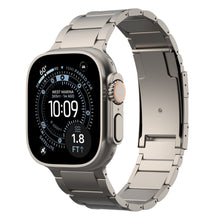
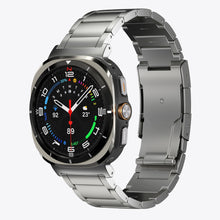
RobustGoods: Premium Apple Watch Ultra Bands Built to Last 100,000+ Trusted Customers | 4.55★ Rating | 2,000+ Positive Reviews Crafted for the Apple Watch Ultra:
The RobustGoods Difference: ✓ Direct-to-consumer manufacturing (no middlemen markup) Quality You Can Trust: Founded by a Finnish tech enthusiast in 2020, we've built our reputation on durability, style, and functionality. Every band comes with a 60-day guarantee and worldwide shipping. Upgrade your Apple Watch Ultra with accessories as rugged as you are. |

Leather Watch Strap Pricing: The Real Cost
When you invest in a leather strap, the upfront cost is just the beginning; what really matters is how it performs long‑term. For example, at RobustGoods, our flagship leather strap (e.g., Leather Strap R01) sells for ~$69.90.
Price Range
- Entry-level leather straps typically start around $50–$70, offering a basic genuine leather build.
- Mid-range options made from full-grain hides with reinforced stitching and refined finishing usually cost $70–$90.
- Higher-end straps that feature exotic materials, hand-stitched details, or traditional craftsmanship vary in price depending on the brand and rarity.
Hidden Maintenance Costs
Leather demands care. Expect to invest in conditioner, cleaner, and perhaps special storage (watch rolls) to preserve the material. These costs might look small individually, but they add up and affect true ownership value.
Lifespan & Value Over Time
With proper care, a good full‑grain leather strap can last 2–5 years of daily use, developing a distinctive patina and character. But because wear‑and‑tear, light damage, and environmental exposure can shorten this, the cost per year of use often makes leather 2–3× more expensive than a RobustGoods nylon alternative over a decade, for many, the style and feel still make the extra cost worthwhile.
Advantages of Leather Watch Straps
Leather straps remain a favourite among watch enthusiasts for reasons that synthetic alternatives can’t match. Over time, quality leather integrates into your personal style, offering both visual and functional benefits.
The Patina Effect
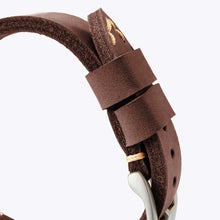
Unlike synthetic materials, leather develops a unique patina with age, showing subtle color changes, burnished edges, and a gentle sheen. This natural transformation personalizes your timepiece, making each strap distinct to its wearer, something nylon simply can’t replicate.
Comfort & Breathability
Leather naturally molds to your wrist, creating a custom fit that reduces pressure points and friction. Its porosity allows better airflow than most nylon weaves, keeping the wrist cooler and more comfortable during extended wear.
Formal Versatility
Leather transitions seamlessly from office to formal events, complementing business attire while enhancing a watch’s perceived value. With classic shades like black and brown or more adventurous blues and greens, it offers elegance and personal expression without sacrificing formality.

Full-grain leather shows natural texture and grain variation, and every strap tells its own story.
Types of Leather That Make the Best Watch Straps
There are different types of leather bands. Full-grain leather provides durability and develops the richest patina over time. Top-grain leather delivers a smooth, refined feel and long-lasting performance.
Shell cordovan offers density and resistance to creasing, giving a premium touch. Exotic leathers such as alligator and ostrich provide unique textures and striking visual appeal, though they require careful maintenance.
Disadvantages of Leather Watch Straps
Leather straps offer unmatched style and character, but understanding their natural properties helps you get the most from your investment.
Water Sensitivity
Leather naturally reacts to moisture. Occasional contact with water can change its texture or appearance, and saltwater can affect the fibers more quickly. With mindful use and proper care, however, leather remains resilient and long-lasting.
Sweat & Staining
Leather absorbs moisture from sweat, which over time can create subtle changes in color or softness. Darker leathers may transfer a little dye if wet, so it’s helpful to be mindful during warmer activities. These changes often contribute to the strap’s unique patina, making it even more personal to the wearer.
Maintenance Needs
Leather benefits from regular care to maintain its appearance and comfort. Conditioning and careful drying help preserve suppleness, while natural wear in areas like buckle holes or wrist bends adds character over time. Unlike synthetic straps, this interaction with daily wear gives leather a distinct, evolving personality.
Nylon Watch Strap Pricing: More Than Just Cheap Options
Nylon straps are often seen as the budget-friendly choice, but quality and price vary more than many realize.
Nylon Strap Pricing
Nylon straps start at around $35 to $39, providing reliable performance for everyday wear. They are lightweight, comfortable, and easy to adjust, making them a practical choice for active lifestyles.
Higher-quality options feature stronger weaves, reinforced stitching, and durable hardware, ensuring they maintain their shape and appearance over time.
How Weave Quality Affects Price
Tighter weave patterns prevent fraying, maintain shape after extended wear, and give a cleaner, more refined look. Premium nylon straps often include heat-sealed edges and subtle textural patterns, demonstrating how manufacturing details improve both durability and visual appeal.
Even though the base material is simple, these refinements make a significant difference in overall performance and longevity.
Advantages of Nylon Watch Straps
For those with active routines or demanding work environments, nylon straps offer practical advantages that leather can’t match.
Water & Weather Resistance
Nylon doesn’t absorb water, making it ideal for swimming, rain, or high-humidity conditions. It maintains its shape and comfort even when wet, and resists sun, snow, and sweat exposure far better than leather. This makes it perfect for outdoor enthusiasts, travelers, or anyone regularly facing changing climates.
Durability Under Stress
With high tensile strength, nylon withstands stretching, impact, and daily wear without tearing or losing fit. Reinforced stitching and resilient hardware ensure the strap remains secure and reliable, even in physically demanding environments.

Modern nylon has a wide range of tones and textures that go with different styles.
Quick-Drying Properties
Nylon dries quickly after moisture exposure, preventing mildew, odors, and bacterial buildup. This quick recovery keeps it comfortable during water activities, workouts, or hot weather, where leather might remain damp for hours.
Lightweight Comfort
Nylon’s light, flexible construction reduces wrist fatigue and conforms immediately to your wrist, offering all-day comfort without the break-in period leather requires. Its flexibility and breathable texture make it especially suitable for high-motion activities and extended wear.
Disadvantages of Nylon Watch Straps
While nylon straps are practical and durable, they have some considerations that may affect style and comfort.
Style Constraints in Professional Settings
Nylon has a casual aesthetic that can feel out of place with formal attire or luxury watches. In conservative professional environments, it may appear too sporty compared to leather, which remains the standard for dressier occasions.
Comfort Considerations
Some wearers with sensitive skin may experience irritation, especially in hot or humid conditions. Nylon’s breathability is lower than leather's, which can cause heat and moisture buildup. Rough edges on lower-quality straps may also create friction points, requiring careful selection for extended wear.
Direct Comparison: Which Strap Wins Each Category
Choosing between leather and nylon depends entirely on your priorities. Each material has distinct strengths that suit different needs, and understanding these can help you make an informed choice.
Durability
Nylon generally holds up better under moisture, UV exposure, and physical stress, maintaining shape and structure over time. Leather is more sensitive to water and daily wear, but with proper care, it can remain durable and functional for several years.
Formal Appearance
Leather provides a classic, refined look suited to professional or formal settings. Nylon gives a more casual aesthetic, making it better suited for everyday or active use.
Maintenance Requirements
Nylon is low-maintenance, typically needing only occasional washing. Leather benefits from regular conditioning, careful drying, and storage to preserve both appearance and longevity.
Comfort
Leather naturally molds to the wrist and offers good breathability in moderate conditions. Nylon is lightweight, flexible, and handles active or varying environments well, remaining comfortable even during intense activity.
Style Versatility
Leather transitions seamlessly between business, formal, and semi-formal occasions, while nylon excels in casual, sporty, and outdoor contexts. Each material performs best in the environment it’s designed for.
Value Considerations
Nylon offers practical longevity and low upkeep costs. Leather develops character and a unique aesthetic over time. The choice ultimately depends on whether convenience or evolving style is more important to the wearer.
Leather vs Nylon Watch Straps: Comparison Table
|
Feature / Aspect |
Leather Straps |
Nylon Straps |
|
Price Range |
~$50–$90 for quality straps; exotic or premium types are higher |
~$35 and up; higher-quality weaves and hardware are slightly more |
|
Durability |
Sensitive to moisture and wear; lasts 2–5 years with care |
Highly durable, resists water, UV, and physical stress; maintains shape longer |
|
Appearance & Style |
Classic, refined, develops unique patina over time; ideal for formal/business settings |
Casual, sporty, versatile for active or outdoor use; color and texture options available |
|
Comfort |
Breathable, molds to the wrist over time; better for moderate environments |
Lightweight, flexible, quick-drying; better for active or high-motion use |
|
Maintenance |
Requires regular conditioning, careful drying, and storage |
Low-maintenance; occasional washing is enough |
|
Water & Weather Resistance |
Sensitive to water and sweat; may discolor or stiffen |
Water-resistant; dries quickly; resists sun and humidity effects |
|
Style Versatility |
Excels in formal and semi-formal contexts; elegant and timeless |
Excels in casual and sporty contexts; practical for outdoor activities |
|
Value Over Time |
Gains character and aesthetic appeal; higher cost per year |
Practical, long-lasting, low upkeep costs; retains functionality |
Make Your Final Decision: The Watch Strap Selection Guide
When choosing a watch strap, focus on the factors that matter most to your lifestyle rather than searching for a universally “best” option. Both leather and nylon excel within their intended uses, while each has limitations outside those contexts. Assessing your needs honestly is the key to making a satisfying choice.
Many watch enthusiasts start with one material and later add the other to their rotation, appreciating the unique advantages each brings. If you’re unsure, begin with the strap that suits your most frequent activities, while staying open to exploring other options as you learn how your watch fits into your daily routine.
With quality straps available at modest prices, experimenting is easy, allowing your preferences to develop naturally through real-world use rather than theory. Over time, you can build a versatile collection that balances style, comfort, and performance for every occasion.
Why Choose RobustGoods Leather & Nylon Bands
At RobustGoods, we craft watch straps that combine authentic materials, thoughtful design, and everyday durability. If you prefer the refined elegance of leather or the rugged practicality of nylon, our bands are designed to complement both your watch and your lifestyle.

Nylon watch band is lightweight, breathable, and built for movement and outdoor use.
Our leather straps feature rich, full-grain Italian leather that develops a unique patina over time, adding character and sophistication to every watch. Our wide stretch nylon straps offer strength, flexibility, and comfort for active use, with reinforced stitching and durable hardware that stand up to daily wear. Each strap is carefully constructed to provide lasting performance, whether for professional, casual, or adventurous settings.
Thousands of satisfied customers trust RobustGoods for quality and style, and our 60‑day money‑back guarantee makes exploring our collection easy and risk-free. Each RobustGoods band is produced in the same facility as Nomad, delivering the same level of quality and precision without the added middleman cost.
From classic leather to high-performance nylon, our straps allow you to personalise your watch while ensuring long-lasting durability and timeless appeal.
Frequently Asked Questions (FAQs)
Can I swim with a nylon strap?
Yes, nylon handles swim well. Chlorine or saltwater may fade colors or affect hardware over time. Rinse with fresh water after swimming to maintain longevity. Corrosion-resistant hardware on premium nylon straps improves durability for frequent swimmers.
Will sweat damage a leather strap?
Heavy perspiration can accelerate wear on leather, especially underneath, where moisture accumulates. Regular cleaning and conditioning help, but for active lifestyles or hot climates, nylon is more resistant to sweat while maintaining comfort.
Is it worth spending more on a higher-quality nylon strap?
Higher-quality nylon features tighter weaves, reinforced edges, and durable hardware, offering longer lifespan and improved comfort. For everyday use, the modest extra cost often pays off, though basic nylon is fine for occasional wear.
Can I wear a nylon strap for formal occasions?
Nylon generally has a casual look, which can clash with formal attire. Leather remains the safer choice for business, ceremonial, or traditional dress occasions, while nylon works best in casual or sporty contexts.
How long does a leather strap last compared to nylon?
In general, quality leather straps can last years with proper care, developing a unique character and patina over time. Nylon straps are typically more durable, with hardware often being the main point of wear.
Speaking of RobustGoods, both our leather and nylon straps are crafted for longevity. Our leather straps combine full-grain hides and careful construction to maximize lifespan while developing rich, personal character. Our nylon straps feature reinforced stitching and durable hardware, ensuring they maintain performance, shape, and comfort for years of daily wear, making us a dependable choice for any lifestyle.
*Note: Pricing and/or product availability mentioned in this post are subject to change. Please check the retailer's website for current pricing and stock information before making a purchase.


Leave a comment
This site is protected by hCaptcha and the hCaptcha Privacy Policy and Terms of Service apply.